Seo Services

Education

Most Recent

Seo Services
Results for Health

Start building your International Health Insurance plan today!

February 05, 2019

Enhance your international medical insurance - add optional benefits to your core plan

Add as many optional benefits as you want and build a plan to suit your needs
International Outpatient

Includes outpatient care and medical emergencies where a hospital admission as a day patient or inpatient is not needed. Also includes consultations with specialists and medical practitioners, prescribed outpatient drugs and dressings, pre- and post-natal outpatient care, physiotherapy, osteopathy, chiropractic care and more.

International Vision and Dental

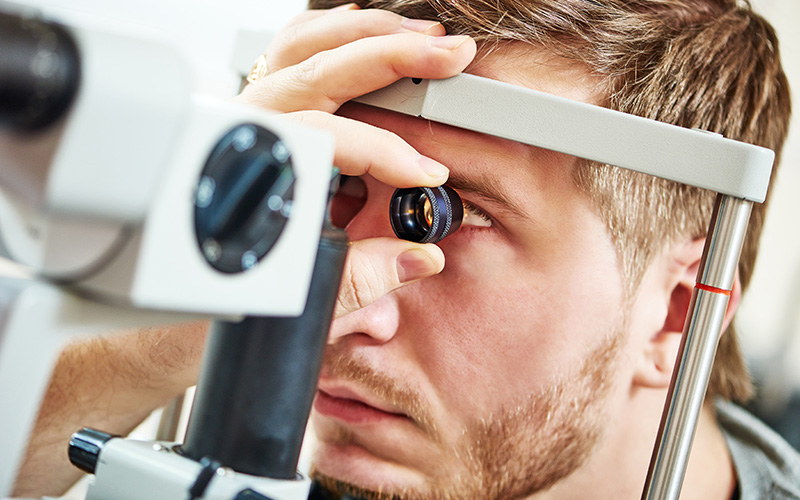
International Vision and Dental pays for the beneficiary’s routine eye examination and pays costs for spectacles and lenses. It also covers a wide range of preventative, routine and major dental treatments.


International Health and Wellbeing


Provides cover for screenings, tests, examinations and counselling support for a range of life crises. Includes tailored advice and support through our online health education and health risk assessment - helping you take control and manage your health the way you want.

International Medical Evacuation

Provides coverage for reasonable transportation costs in the event that treatment is not available locally, in an emergency. This also includes repatriation - allowing the beneficiary to return to their country of habitual residence or nationality. This also includes compassionate visits for a parent, spouse, partner, sibling or child to visit a beneficiary after an accident or sudden illness.
Start building your International Health Insurance plan today! Start building your International Health Insurance plan today! Reviewed by Lyrical on February 05, 2019 Rating: 5

Do you enjoy eating Bananas with Milk? You must read this now

February 02, 2019
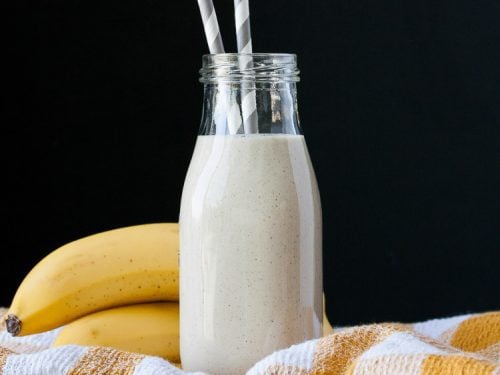
We all love milkshakes and smoothies, don’t we? The blend of seasonal fruits and milk is the perfect combination to cool down on a hot summer day. Who doesn’t love to have a banana milkshake as a refreshing mid-meal beverage? While it tastes amazing, banana and milk might not go well when mixed together.
Related image
Yes, you read that right. While the combination of banana and milk has long been seen in chilled milkshakes, it may pose various health risks. We spoke to many experts and here’s what you should know about consuming this combination together.
Related imageCombination of Banana and Milk – Good or Bad?

Whether the famous combination of milk and banana is good or bad for health has always been in debate. While many suggest that both make an excellent combination, some recommend against mixing banana with milk. When we asked expert Dietitian and Psychologist from Care For Life, Harish Kumar, this is what he had to say, “We do not recommend this combination as it may prove to be very harmful for the body.
Related image
Even if you want to consume them, you can first take milk and after 20 minutes, eat a banana. You must also avoid banana milkshake as it hinders the digestion process and disturbs your sleeping pattern.
Image result for Have You Been Eating Bananas with Milk?
On the contrary, expert Nutritionist and Macrobiotic Health Coach, Shilpa Arora says, “Banana with milk is a great option for body builders and people who wish to gain weight and need energy for high intensity work. However, it is not recommended for people with allergies like asthma as it creates mucus which leads to breathing disorders.”
Related image
According to a report Food Combining by Vasant Lad, eating bananas with milk can diminish agni, produce toxins and may cause sinus congestion, cold, cough and allergies. Although both of these foods have a sweet taste and a cooling energy, their post digestive effect is very different. Bananas are sour while milk is sweet. This further causes confusion to our digestive system and may result in toxins, allergies and other imbalances.
Image result for Have You Been Eating Bananas with Milk?
So, Should You or Shouldn’t You?
According to our experts, banana and milk do not go well together and may cause serious harm to our health. Therefore, it is better to avoid blending banana with milk and rather have them separately. They have their own properties that benefit our health; however, mixing both may kill those properties causing ailments in the body.
Do you enjoy eating Bananas with Milk? You must read this now Do you enjoy eating Bananas with Milk? You must read this now Reviewed by Lyrical on February 02, 2019 Rating: 5

What happens if you drink raw eggs for a week?

February 02, 2019
“A glassful of raw eggs incites mixed reactions for many of us. It’s routine for some and revulsion for others. Commonly associated with bodybuilders and boxers (the Rocky scene) who want to bulk up, a lot of folks who fit neither category include them on a regular basis for simple nutritional reasons. However, there’s more to the picture, as this reader’s email suggests.
Dear Mark,
I have searched the site to see if there is any pros/cons of eating raw eggs. I know in the past, CW says that eating raw eggs can create a biotin deficiency in our bodies. I like having a couple of raw eggs in my whey protein drink after a workout. Do you have any information that would be helpful in the use of raw eggs?
Eggs in general are a nutritional (and wholly Primal!) powerhouse with impressive supplies of selenium, iodine, phosphorus, molybdenum, choline, lutein, vitamins A, B2, B5, B12, E, D and K. Add to this a healthy 5.5 grams of protein, 20% of your RDA for tryptophan and essential fatty acids. But what’s the specific draw to raw eggs?
A lot of folks choose to eat raw eggs because some nutrients can be diminished by heating. (Although this is true of cooking just about anything, cooking also makes certain nutrients more bioavailable – hence the constant pull and push between the raw foodists and traditional cooks.) Some people feel any change in the chemical structure is to be avoided. Others don’t. Although some vitamins (like vitamins C, B6 and B9) are more fragile and lose potency during heating (the more/longer heat, the more loss), other nutrients are enhanced. As reader Tuscoyote noted in the forum a few months ago, researchers have found that egg protein is more bioavailable when heated. (Thanks for the NPR link, Tuscoyote!) Here’s the study referenced in that interview. The study showed that egg protein is more digestible (94% versus 55-64%) when heated, probably due to alteration of the protein’s structure and the ability of digestive enzymes to infiltrate peptide bonds. Whether you eat your eggs heated or raw (or a little of both) in part depends on your goal in eating them to begin with.
As for drawbacks, there’s the well-circulated salmonella risk, which isn’t the dire prospect it’s often made out to be. The risk has been estimated as 1 in 10,000 (CDC) or 1 in 30,000 (Risk Analysis journal). And though washing eggshells can reduce much of the risk, it doesn’t eliminate it entirely. Salmonella can be present in the yolk due to infection in the hen’s reproductive tissue.
Of course, not all eggs are created equal when it comes to salmonella or nutrition. Not only are organic, free range eggs more nutrient-dense, one study found them to be significantly less contaminated than battery cage hens. Hens that graze and eat a natural diet as well as have more space to roam (to avoid living in feces) are naturally healthier. While the survey determined a quarter of battery cage groups to be contaminated, only 5% of those that were both organic and free range showed contamination. (Free-range, non-organic came up at 6.5%.) Simple refrigeration can keep any salmonella bacteria from multiplying, which minimizes the risk of actual illness from contaminated eggs. In those who are very young, pregnant or immune-compromised, salmonella risk is more of a consideration.
As you mention, eating raw eggs carries the eventual risk of a biotin deficiency. Although egg yolk is actually a rich source of biotin, the white contains avidin, a glycoprotein that bonds with biotin, preventing the nutrient’s absorption. Avidin is generally inactivated when cooked, which makes the biotin in the yolk fully available for absorption by the body. You don’t have to rule out raw eggs by any means. I wouldn’t advise eating them daily for long stretches of time without a biotin supplement (supported within a B-complex intake, since these vitamins work synergistically). If you’re eating them just a few times a week, the risk for deficiency isn’t as great, but I would still do a supplement or at least make sure I was getting a hefty amount of biotin rich food (swiss chard, tomatoes, carrots, liver and others) the days I eat raw eggs. As a compromise, some folks will just eat the raw yolks alone and cook up the whites later.
All that said, raw eggs can be part of your Primal fare. (There are advantages to cooked eggs, but it’s however you enjoy them.) If you like raw eggs, I’d say have at it – with the above info in mind. If you would rather cook them, I’d suggest going easy on the heat to avoid overcooking. Some folks suggest choosing cooking methods that leave the egg yolk intact and soft (like sunny side up or poached) because of concerns about oxidizing the cholesterol. I’m not too concerned about the small amount that might result from my breakfast routine. For myself, I take a middle road (mostly for taste). Sometimes I do my omelets, but just as often these days I’ll poach them so the egg white is cooked and yolk runny. Just had two for breakfast in fact.
What happens if you drink raw eggs for a week? What happens if you drink raw eggs for a week? Reviewed by Lyrical on February 02, 2019 Rating: 5

Eat these foods to improve your eye sight

February 02, 2019
People believe that an eyesight that is failing results from aging or eye strain. In truth, a healthy lifestyle can significantly reduce the risk of eye health problems.
The Age-Related Eye Disease Study (AREDS), published in 2001, found that certain nutrients — zinc, copper, vitamin C, vitamin E, and beta carotene — may reduce the risk of age-related decline in eye health by 25 percent.
Image result for eye health
This study was updated in 2013 to test different versions of the original formula. The variations included omega-3 fatty acids, zeaxanthin, lutein, and beta carotene; the study found that certain combinations may work better than others.
Further studies agree that omega-3 fatty acids (including DHA), copper, lutein, and zeaxanthin are vital for eye health.
In this article, we look at the evidence for 10 nutrient-rich foods to boost eye health. We also discuss other tips for healthy eyes and eye health warning signs.
Image result for eye health
Ten best foods for eye health
Organizations such as the American Optometric Association (AOA) and the American Academy of Ophthalmology (AAO) continue to recommend nutrients for eye health based on the AREDS reports.
The AREDS reports support the following 10 nutrient-rich foods:
1. Fish
Image result for fish food
Maintaining a healthy lifestyle can help to lower the risk of eye problems.
Many fish are rich sources of omega-3 fatty acids.
Oily fish are fish that have oil in their gut and body tissue, so eating them offers higher levels of omega-3-rich fish oil. The fish that contains the most beneficial levels of omega-3s include:
tuna
salmon
trout
mackerel
sardines
anchovies
herring
Some studies have found that fish oil can reverse dry eye, including dry eye caused by spending too much time on a computer.
2. Nuts and legumes
Image result for Nuts and legumes
Nuts are also rich in omega-3 fatty acids. Nuts also contain a high level of vitamin E, which can protect the eye from age-related damage.
Nuts and legumes that are good for eye health include:
walnuts
Brazil nuts
cashews
peanuts
lentils
3. Seeds
Like nuts and legumes, seeds are high in omega-3s and are a rich source of vitamin E.
Seeds high in omega-3 include:
chia seeds
flax seeds
hemp seeds
4. Citrus fruits
Image result for lemon orangeCitrus fruits are rich in vitamin C. Just like vitamin E, vitamin C is an antioxidant that is recommended by the AOA to fight age-related eye damage.

Vitamin C-rich citrus fruits include:
lemons
oranges
grapefruits
5. Leafy green vegetables
Image result for Leafy green vegetablesLeafy green vegetables are rich in both lutein and zeaxanthin and are also a good source of eye-friendly vitamin C.


Well-known leafy greens include:
spinach
kale
collards
6. Carrots
Image result for carrots
Carrots are rich in both Vitamin A and beta carotene. Beta carotene gives carrots their orange color.
Vitamin A plays an essential role in vision. It is a component of a protein called rhodopsin, which helps the retina to absorb light.
Research on beta carotene’s role in vision is mixed, though the body needs this nutrient to make vitamin A.
7. Sweet potatoes
Like carrots, sweet potatoes are rich in beta carotene. They are also a good source of the antioxidant vitamin E.
8. Beef
Image result for beef
Beef is rich in zinc, which has been linked to better long-term eye health. Zinc can help delay age-related sight loss and macular degeneration.
The eye itself contains high levels of zinc, particularly in the retina, and the vascular tissue surrounding the retina.
Meats such as chicken breast and pork loin also contain zinc, but at lower levels than beef.
9. Eggs
Image result for eggEggs are an excellent source of lutein and zeaxanthin, which can reduce the risk of age-related sight loss. Eggs are also good sources of vitamins C and E, and zinc.
10. Water
It may come as no surprise that a fluid essential to life is also vital to eye health.
Drinking plenty of water can prevent dehydration, which may reduce the symptoms of dry eyes.
Eat these foods to improve your eye sight Eat these foods to improve your eye sight Reviewed by Lyrical on February 02, 2019 Rating: 5

E-cigarettes are almost twice as effective as nicotine replacement treatments, shows new study

January 30, 2019
E-cigarettes are almost twice as effective as nicotine replacement treatments, such as patches and gum, at helping smokers to quit, according to a clinical trial led by Queen Mary University of London.
The multi-centre trial, which involved almost 900 smokers who also received additional behavioural support, found that 18.0 per cent of e-cigarette users were smoke-free after a year, compared to 9.9 per cent of participants who were using other nicotine replacement therapies.
Lead researcher Professor Peter Hajek from Queen Mary University of London said:"This is the first trial to test the efficacy of modern e-cigarettes in helping smokers quit. E-cigarettes were almost twice as effective as the 'gold standard' combination of nicotine replacement products.
"Although a large number of smokers report that they have quit smoking successfully with the help of e-cigarettes, health professionals have been reluctant to recommend their use because of the lack of clear evidence from randomised controlled trials. This is now likely to change."
The only previous trial comparing e-cigarettes to nicotine patches used early 'cig-a-like' e-cigarettes with very low nicotine delivery, had no face-to-face contact, and found low efficacies for both treatments.
Funded by the National Institute for Health Research, supported by Cancer Research UK and published in the New England Journal of Medicine, the new study was set-up to test the long-term efficacy of newer refillable e-cigarettes compared with a range of nicotine replacement treatments.
886 smokers attended UK National Health Service stop smoking services (in Tower Hamlets, City of London, Leicester and East Sussex) and were randomised to receive either a nicotine replacement treatment of their choice (including patches, gum, lozenges, sprays, inhalators, or a combination of products) provided for up to three months, or an e-cigarette starter pack with one or two bottles of e-liquid and encouragement to buy future supplies of their own choice of strengths and flavours.
All participants received weekly one-on-one behavioural support for at least four weeks, with expired air carbon monoxide monitoring.
In addition to e-cigarettes being almost twice as effective, the researchers found that:
  • The participants comprised largely of middle aged dependent smokers, with 40 per cent entitled to free prescriptions (a marker of social disadvantage or poor health)
  • Abstinence rates were higher in the e-cigarette arm at all time points
  • Among abstainers, e-cigarette participants were more likely to use their allocated product at 52 weeks than nicotine replacement participants (79.8 per cent vs 9.1 per cent)
  • Among participants who did not achieve full abstinence, more e-cigarette users achieved a carbon monoxide-validated reduction of smoking by at least 50 per cent
  • Adherence was similar in both arms, but e-cigarettes were used more frequently and for longer
  • E-cigarette participants reported more throat/mouth irritation (65.4 per cent vs 50.8 per cent) and nicotine replacement participants reported more nausea (37.8 per cent vs 31.4 per cent)
  • E-cigarette participants reported greater decline in incidence of cough and phlegm production after 52 weeks
  • Both products were perceived as less satisfying than cigarettes, but e-cigarettes provided higher satisfaction and were rated as more helpful than nicotine replacement treatment
  • E-cigarette arm abstainers experienced less severe urges to smoke at 1 and 4 weeks post-quit date. They also reported a lower increase in irritability, restlessness and inability to concentrate after the first week of abstinence, compared to those in the nicotine replacement arm
  • Study author Dunja Przulj from Queen Mary University of London said: 
    Professor Hywel Williams, Director of the NIHR Health Technology Assessment Programme, said: "This groundbreaking NIHR-funded study provides clear evidence that e-cigarettes are almost twice as effective as nicotine replacement therapy for helping smokers to quit. Cigarette smoking is still a major cause of ill health and death in the UK, so this study will provide much needed evidence to help people and policy makers to make informed choices."
    Martin Dockrell, Tobacco Control Lead, Public Health England, said: "This landmark research shows that switching to an e-cigarette can be one of the most effective ways to quit smoking, especially when combined with face-to-face support. All stop smoking services should welcome smokers who want to quit with the help of an e-cigarette."
    The study saw a stronger e-cigarette effect than in previous trials, and the researchers say this could be due to the inclusion of smokers who were seeking help, the provision of face-to-face support, and the use of refillable e-cigarettes for which smokers sourced their own choice of e-liquids.
    The researchers add that the reason e-cigarettes were found to be more effective than other nicotine replacement therapies could be primarily because they allow better tailoring of nicotine dose to individual needs, but also because they provide some of the behavioural aspects of smoking cigarettes.
    Sophia Lowes, from Cancer Research UK, said: "This is the first study to show the effectiveness of e-cigarettes combined with behavioural support for giving up smoking, and the results are extremely positive. This research should give doctors, nurses, pharmacists and Stop Smoking Service advisers further confidence to recommend e-cigarettes as an effective means of quitting.
    "Smokers have a range of options available to help them quit, including nicotine replacement therapy, prescription medication or e-cigarettes. Everyone is different, so smokers shouldn't be afraid to experiment and find what works for them. But whatever the method, it's clear that using the support available from local Stop Smoking Services gives smokers the best chance of quitting."
    The study has several limitations. Product allocation could not be blinded, which could affect results if nicotine replacement was seen as an inferior option and those participants were putting less effort into their quit attempt. The team tried to limit expectation effects by recruiting only participants with no strong product preference, and the results in the nicotine replacement arm were at least as good as in routine practice.
    The findings may not be generalisable to smokers who are less dependent, or to first generation 'cig-a-like' e-cigarettes, and further trials are needed to determine whether the results generalise outside the UK services.
  • "The UK specialist stop smoking services will now be more likely to include e-cigarettes among their treatment options, and health professionals will feel more comfortable in recommending e-cigarettes as a stop-smoking intervention. This may ultimately further accelerate the reduction in smoking and in smoking related diseases."
E-cigarettes are almost twice as effective as nicotine replacement treatments, shows new study E-cigarettes are almost twice as effective as nicotine replacement treatments, shows new study Reviewed by Lyrical on January 30, 2019 Rating: 5

Vaping linked to increased risk for stroke, heart attack

January 30, 2019
People who vape might increase their odds of suffering a stroke, heart attack or heart disease, a new study suggests.
Federal survey data revealed that compared with nonusers, people who use e-cigarettes have a:
E-cigarette users also have a doubled rate of smoking traditional tobacco cigarettes, the researchers noted.
"Even as we consider electronic cigarettes as a means of aiding in smoking cessation, we need to be careful about the impact this may have on the health of folks," said lead researcher Dr. Paul Ndunda. He is an assistant professor with the University of Kansas School of Medicine, in Wichita.
The increased health risks linked to e-cigarette use held strong even after Ndunda and his colleagues accounted for other potential risk factors, such as age, excess weight, diabetes and smoking.
Dr. Larry Goldstein is chairman of neurology and co-director of the Kentucky Neuroscience Institute in Lexington. He said, "This is the first real data that we're seeing associating e-cigarette use with hard cardiovascular events."
Goldstein added that "it's quite a concern, especially since nationwide now we've seen a leveling off in and, in many instances, an increase in the risk of stroke-related mortality in the country. It's hard to know what contribution this has to that, but it doesn't appear to be safer, or safe right now, from the data that's available."
About 3 percent of adults and 11 percent of high school students reported using e-cigarettes within the previous month in 2016, the study authors noted. In addition, vaping among young people increased by 900 percent between 2011 and 2015.
For the new study, researchers gathered data on over 400,000 participants in the 2016 Behavioral Risk Factor Surveillance System, a survey regularly conducted by the U.S. Centers for Disease Control and Prevention.
The researchers included nearly 66,800 people who said they had ever regularly used e-cigarettes, comparing them with about 344,000 people who'd never tried the devices.
Ndunda pointed out that the nicotine in e-cigarettes probably isn't directly causing the strokes or heart health problems, since previous studies have not linked the addictive substance to plaque formation in blood vessels.
"But there are other chemicals found in electronic cigarettes that could increase inflammation of the lining of the blood vessels. That could lead to clot formation, clogging the artery and causing a stroke," Ndunda said.
"The vapor is not innocuous," he concluded.
However, because this is survey data, it cannot draw a direct cause-and-effect relationship between vaping and stroke or heart attack, Ndunda added.
"This study has some limitations that do not allow us to make very firm conclusions and be able to change policy around e-cigarettes. I would look at this as a call for larger and longer studies into this issue," Ndunda said.
Goldstein, a spokesman for the American Stroke Association, agreed.
"In studies of this type, it's a common problem with all of them, is that the adjustment for potential confounders is limited," Goldstein said. "They adjust it for age, sex, smoking status, diabetes and body mass index, but there are obviously other factors that can increase the risk of cardiovascular disease that weren't measured."
Gregory Conley is president of the American Vaping Association, a nonprofit that advocates for sensible regulation of vaping products. He took issue with the new findings.
"Nearly all regular adult users of vaping products are current smokers or ex-smokers," Conley said. "It is not exactly breaking news that [tobacco] smokers are at a far higher risk of suffering serious medical conditions, and that it takes years for some risks to subside once a smoker has quit."
The study findings were to be presented Feb. 6 at the American Stroke Association's annual meeting in Honolulu. Such research is considered preliminary until published in a peer-reviewed journal.
Vaping linked to increased risk for stroke, heart attack Vaping linked to increased risk for stroke, heart attack Reviewed by Lyrical on January 30, 2019 Rating: 5

California settles with Aetna in lawsuit that revealed patients' HIV status

January 30, 2019
California's attorney general has settled with healthcare provider Aetna for nearly $1 million dollars over a breach of privacy that revealed the HIV status of hundreds of Californians.
The company was accused by Attorney General Xavier Becerra of violating multiple state laws when a vendor for the company sent letters to roughly 12,000 people across the U.S., including almost 2,000 Californians, that revealed through a clear window on the envelope's front that recipients were using an HIV-related medication.
In a statement Wednesday, Becerra said Aetna "violated the public’s trust" by allowing residents' sensitive medical information to be easily seen by anyone who handles mail.
“A person’s HIV status is incredibly sensitive information and protecting that information must be a top priority for the entire healthcare industry,” Becerra said.
“Aetna violated the public’s trust by revealing patients’ private and personal medical information. We will continue to hold these companies accountable to prevent such a gross privacy violation from reoccurring," he added.
Aetna will pay $935,000 under the settlement and will implement new protocols to prevent future breaches of patient confidentiality, according to a news release.
Those affected have received an additional $17 million in compensation through a private class action lawsuit.
California settles with Aetna in lawsuit that revealed patients' HIV status California settles with Aetna in lawsuit that revealed patients' HIV status Reviewed by Lyrical on January 30, 2019 Rating: 5

Natural ways to get rid of bad breath

January 30, 2019

It’s well known that some foods and drinks— garlic, coffee and alcohol, for starters—can cause less than pleasant mouth odours. But what should we be eating and drinking if we want to banish halitosis?
Water
Aim to drink eight glasses of H2O a day. Not only is it good for hydration and your digestive system, it also flushes bacteria off your teeth and out of your mouth, giving you fresher breath and a lower risk of cavities and gum disease.

Ginger
Credited with the ability to dispense a huge range of health benefits, this tangy spice also increases an enzyme in saliva that breaks down smelly, sulphur-containing compounds, according to German scientists.

Apples
Chewing on raw apple can banish garlic breath, researchers from Ohio State University found. They concluded that the enzymes in the raw apple helped get rid of the smell, and then the phenolic compounds in the fruit were able to destroy the substances that cause the halitosis in the first place. Which just goes to show that an apple a day is beneficial in more ways than one.

Lettuce
The same study found that lettuce was also effective in deodorising garlic breath. Once again, it was better eaten raw.

Milk
More research from Ohio State University found that drinking milk with a garlic-laden meal could also help reduce whiffy breath. That might look odd on a date, of course, but worth bearing in mind! Whole milk worked best.

Yogurt
Japanese researchers found that volunteers who ate traditional, sugar-free yogurt twice a day had an 80 per cent drop in malodorous volatile sulphide compounds after six weeks. The vitamin D it contains is good for your bones too.

And finally…eat less
An Israeli researcher found that overweight people were more likely to have unpleasant smelling breath and the more overweight they were, the worse the problem was.
Natural ways to get rid of bad breath Natural ways to get rid of bad breath Reviewed by Lyrical on January 30, 2019 Rating: 5

Why do you need to take First Aid Training?

January 30, 2019

First aid is emergency or immediate medical care provided to an injured or ill individual to sustain him until proper medical treatment can be available.  For mild issues, first aid treatments are good enough. But if the condition is severe, then first aid care can help sustain the person until he can get better treatment.
The decision to act with first aid can mean the difference between life and death for someone. Therefore, it's imperative you know what to do in case someone gets injured or ill. 
First Aid Training teaches you how to recognise the issue and provide relief. When someone gets injured, activate the emergency response and provide first aid to sustain the subject until help arrives. If you are not sure how to help the individual, you can speak with the person on emergency response and get instructions for what to do next.   It can help you save someone’s life.

WhatDo You Learn?

Most First Aid Training consists of the following:
  • Priority of Treatment: What to Do in an Emergency?
  • How to Handle an Unconscious Subject?
  • How to Handle Someone Unconscious and not breathing?
  • CPR for Adults, Children, and Baby
  • Theory and Practical - Choking
  • Prepare for Emergency
  • How to Use First Aid Kits?
  • Treat Bleeding, includes nosebleeds, objects in nose or ear, injuries and amputation
  • Burns including scalds, fire, andelectrocution
  • Poisoning, Corrosive and non-corrosive
  • Head Injuries including concussion and compression
  • Asthma
  • Spinal Injuries
  • Allergic Reactions
  • Fits, etc 
You can expect to learn these basics during your first aid training.

Benefits of Learning First Aid

Most people don’t bother taking first aid training because they are busy, or believe they know enough already. 
On the contrary, most people who took first aid training in Liverpool believe it was worth it. To prove our point, we will explain the different benefits of obtaining first aid training. 

It helps to Save Lives

First aid helps you save lives. Treating someone properly right on the spo thelps them to recover fast and make save them from permanent disability. These programs teach how to remain calm in emergencies and acronyms used to recall what you should do next.

Help Someone Suffering

Not every accident or injury needs a trip to the hospital. But it doesn’t mean you should not try to help someone injured, even though if the injury isn’t severe. You can use this training to help anything, a patient suffering from pain, a child crying because of a bruise or fever. The training teaches you how to act and help people in trouble. 
These programs teach you how to relieve someone’s discomfort.  You can also offer emotional support as you remain calm and collective. This will make the patient feel secure and cuts off their anxiety levels. 

Keep a Situation from Getting Any Worse

In some case, if the subject doesn’t receive first aid on time, their condition will get severe instantly. If you offer them basic care, you will help them cope and keep things from getting any worse.
First aid training teaches you how to collect information about how what panned and subject’s condition. You can pass this valuable intel to the emergency services which will help save their time, making you an important link in the patient’s chain of survival. 

Empowers You to Care for Someone

Learning first aid training empowers you to help someone. It lets you reflect on yourself and how you and others reach in a condition. With this knowledge, you are empowered to tackle a wide array of day to day non-medical situations

Encourages Healthy and Safe Living

The first thing you will learn in first aid training is how to look after yourself. You have to ensure your own safety as a priority. This is not being selfish, only practical. You have to keep yourself safe so you can help others. This may inspire you to drop your bad habits for healthy ones. Remember, you can't pour from an empty cup. 
Why do you need to take First Aid Training? Why do you need to take First Aid Training? Reviewed by Lyrical on January 30, 2019 Rating: 5

Flickr Widget

ads 728x90 B
Powered by Blogger.